Winter
The winter home maintenance checklist
Jobs that keep the cold outside, from frozen pipes and ice dams to the furnace and outages.
By Brian Maupin · Reviewed Last reviewed
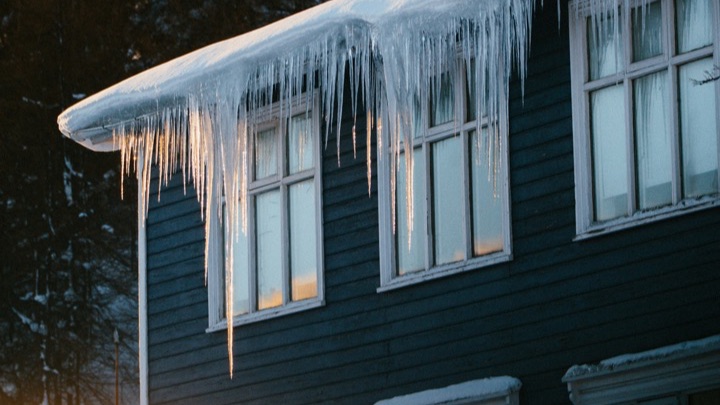
Winter problems can come suddenly and as a surprise. A pipe freezes overnight, a gutter full of ice backs water under the shingles, a furnace quits on the coldest weekend of the year. Each one is far cheaper to prevent than to fix, and most of the prevention fits into a single afternoon.
This list starts with the most expensive risk, frozen pipes, then works up the house to the roof and back down to the jobs that keep you comfortable and safe until spring.
Keep pipes from freezing Tasks 1–4
1. Insulate exposed pipes
Pipes in unheated spaces freeze first: crawlspaces, attics, garages, and runs along exterior walls. Slip foam sleeves over any you can reach (they’re cheap and cut to length with scissors), and seal the gaps where pipes pass through outside walls. For a spot that has frozen before, a listed heat cable on a thermostat is worth the money.
2. Know your cold-night routine
On the nights forecast to drop well below freezing, let a thin stream drip from faucets on exterior walls as moving water is much harder to freeze. Open the cabinet doors under those sinks so warm room air reaches the pipes, and keep the garage door closed if water lines run through it.
3. Keep the heat at 55°F or higher when you're away
Even a short trip can end in a burst pipe if the heat is turned way down. Keep the thermostat at 55°F or higher while you’re away. For longer trips, shut off the main water valve and open a faucet to drain the lines, and consider an inexpensive leak or freeze sensor that alerts your phone.
4. Protect pipes and plants on rare freeze nights
Even mild winters can get a few nights below freezing, and homes built for a warm climate aren’t built for them. When a freeze warning goes out, disconnect hoses, wrap exposed backflow preventers and outdoor pipes, and cover frost-tender plants with frost cloth (not plastic) overnight. Don’t forget to take the covers off in the morning so plants can breathe.
Roof, gutters and snow Tasks 5–8
5. Ice dam prevention check
Ice dams form when heat escaping through the roof melts snow that refreezes at the cold eaves, and the water behind the dam can work under the shingles. After a heavy snowfall, use a roof rake from the ground to clear the first few feet above the gutters, and keep the gutters themselves clear. Never chip at ice on the roof. If dams come back every year, the real fix is sealing and insulating the attic.
6. Roof snow load inspection
Heavy, wet snow can add up fast, and flat or low-slope roofs are the most at risk. After a big storm, watch for sagging ceilings, new cracks in drywall, or interior doors that suddenly stick. Any of those is a reason to call a roofer or snow-removal service right away. Don’t climb onto a snowy roof yourself.
7. Clear snow from vents, meters and the furnace intake
High-efficiency furnaces and water heaters often vent through plastic pipes on a side wall, and drifting snow can block them, shutting the appliance down or, worse, pushing exhaust back inside the house. After each storm, clear snow from those vents, the dryer vent and the gas meter.
8. Use the mild weeks for exterior projects
Winter is the best time of year for the outdoor jobs that summer heat makes miserable: exterior painting and caulking, roof and fence repairs, and pruning while trees are dormant. Set the irrigation controller to its winter schedule while you’re out there as lawns and plants need far less water now.
Heating and air Tasks 9–11
9. Replace the HVAC filter monthly while the heat is running
A furnace running most of the day loads its filter much more quickly. Check it monthly through winter and replace it when it looks gray. A clogged filter makes the system work harder, raises your bill, and is a common cause of mid-winter breakdowns and a costly service visit.
10. Test smoke and CO alarms, and use space heaters safely
Closed windows combined with running furnaces, fireplaces and space heaters make this the season carbon monoxide can cause a real concern. Press the test button on every smoke and CO alarm. Give space heaters at least three feet of clearance being mindful of any flammable materials nearby, plug them straight into the wall rather than an extension cord, and never run a generator indoors or in the garage.
11. Keep indoor humidity at 30–40%
Heated winter air gets very dry, which means static shocks, cracked wood floors and irritated sinuses. Too much humidity has the opposite problem: condensation and mold on cold windows. An inexpensive hygrometer can help get this balance right. Aim for roughly 30–40% and adjust with a humidifier as needed.
Inside the house Tasks 12–14
12. Check windows and doors for drafts and condensation
On a cold, windy day, run a hand around window and door frames to find drafts, then seal them with weatherstripping or a plastic film kit. Look at the glass too: condensation on the inside surface usually means humidity is high, but fog between the panes means the seal has failed and the window is losing much of its insulating value. This is a sign you may need the glass replaced or even an entirely new window.
13. Test the sump pump before the thaw
A sump pump that quits during a spring thaw can flood a basement in hours. Pour a bucket of water into the pit and make sure the float rises and the pump starts and empties it. Check that the discharge line outside isn’t frozen or buried, and consider a battery backup or automated monitor if your power goes out in storms.
14. Build an outage kit
Winter storms are a common cause of long power outages. Be prepared with flashlights and fresh batteries where you can find them in the dark, a few days of water and shelf-stable food, a charged power bank, and any medications you depend on. Learn how to open your garage door by hand; it won’t open on its own without power.
Keeping it on schedule
Most of these jobs come back every winter, and a few (the filter, the alarms) repeat throughout the year. If you’d like them laid out month by month for your climate, try the free maintenance calendar. Write down what you did and when, and next winter starts with a head start.
Want a reminder next year?
Houses 2 Homes tracks recurring maintenance tasks like these for your property and notifies you before they're due. Free for one property.